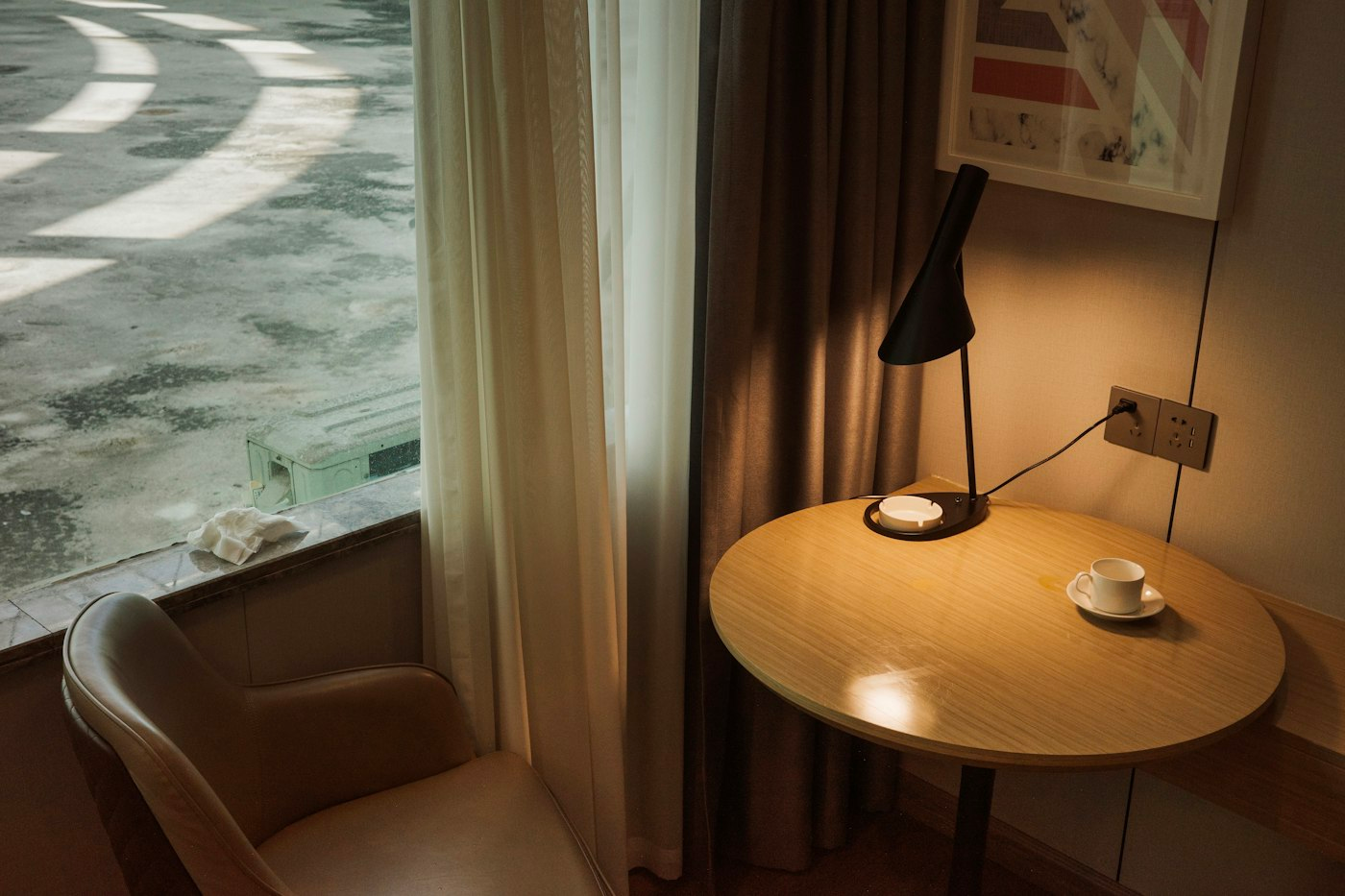
When the schedule breaks, keep two anchors: morning movement and a bedtime. Everything else can flex. That is the whole strategy for building routines that survive travel, whether you are on the road for work, heading home for the holidays or juggling a week where nothing goes according to plan.
Why Most Routines Fall Apart on the Road
Most routines are built for an ideal week. They assume your own kitchen, your own bed, your usual gym, a predictable commute and the same hours every day. Travel removes almost all of that at once. Flights get delayed. Meetings run late. Family plans change. Time zones shift. The hotel gym is a single treadmill, or the guest room is next to the noisy living room.
When a routine has ten parts and the schedule breaks, people usually try to keep all ten, fail at most of them and then drop the whole thing. “I’ll start again when I get home” turns into a week or two of drift. For someone rebuilding after a setback, that drift can be costly. Momentum that took weeks to build can slip away in a few days.
The answer is not a more elaborate routine. It is a smaller core that is almost impossible to lose.
Anchor One: Morning Movement
Morning movement does a lot of work for a little time. It wakes the body, clears the head, gives you a small win before the day gets complicated and signals that you are still the person who takes care of yourself, even away from home. It also tends to happen before the schedule has a chance to break, which is exactly why it belongs in the morning.
On the road, keep it simple and portable:
- A brisk walk around the block, the hotel or the neighborhood you are visiting.
- Ten to fifteen minutes of bodyweight movement in your room: squats, push-ups, lunges, a plank, stretching.
- A short session on whatever equipment is available, without worrying about matching your usual workout.
- If you have health limits, whatever movement your doctor or therapist has cleared you for.
The standard is not “a full workout.” The standard is “I moved this morning.” Some days that will be twenty minutes. Some days it will be five. Both count.
Anchor Two: A Bedtime
Sleep is the first casualty of travel. Late dinners, early flights, time-zone changes and unfamiliar rooms all chip away at it. And when sleep goes, everything else gets harder: patience, focus, food choices and the energy to keep up the first anchor.
That is why the second anchor is a bedtime, not a perfect night of sleep. You cannot always control how well you sleep in a strange place, but you can control when you start winding down. Some ways to protect it:
- Pick a target bedtime for the trip and stick close to it, even when the evening offers reasons to stay up.
- Bring a small sleep kit: an eye mask, earplugs and anything else that helps you rest away from home.
- Keep a short wind-down ritual that travels with you, such as reading a few pages, a few minutes of quiet or prayer, or writing a short note about the day.
- Be thoughtful about late caffeine and heavy late meals, which make sleep harder for many people.
- Get morning light where you are. Combined with your morning movement, it can help your body settle into a new schedule.
Everything Else Can Flex
This is the part people find freeing. Once the two anchors are in place, you can let go of the rest. Your usual meal timing, your full workout plan, your reading goal, your perfectly organized task list: all of it can flex while you are away. You do not need to feel guilty about that. You are not abandoning your routine. You are protecting the core of it so the rest is easy to rebuild when you get home.
That flexibility also makes you better company. When you are visiting family or working with a team, rigid routines can create friction. Two small anchors fit around almost any schedule without making you the person who disrupts everyone else’s plans.
A simple travel day template
- Wake up and move for five to twenty minutes.
- Get some daylight and drink water.
- Let the middle of the day be whatever it needs to be.
- Start winding down at your chosen time.
- Go to bed close to your target bedtime.
Common Mistakes
- All-or-nothing thinking. If you cannot do your usual workout, you do nothing. Five minutes of movement still keeps the anchor.
- Packing too many goals. Planning to read three books, train daily and catch up on all your work during a family trip usually leads to frustration.
- Treating the trip as a total break. Rest is good, but dropping both anchors tends to make the return home harder.
- Staying up because everyone else is. It is fine to excuse yourself. Your bedtime is part of how you show up well tomorrow.
- Waiting to restart until Monday. When you get home, keep the anchors going and add the rest back gradually, starting the next day.
Questions to Ask Before Your Next Trip
- What is the simplest morning movement I can do anywhere?
- What bedtime is realistic for this trip, given the plans and time zone?
- What small items would help me sleep better away from home?
- Which parts of my usual routine am I willing to let flex?
- How will I restart the full routine the day after I return?
What to Do This Week
- Look at your calendar for upcoming trips or disrupted weeks, including the holidays.
- Choose your morning movement and practice it at home so it is automatic.
- Set a target bedtime and a short wind-down ritual you can take anywhere.
- Pack a small sleep kit and keep it ready.
- When the schedule breaks, hold the two anchors and let everything else flex.
Two anchors. That is enough to keep you steady wherever the week takes you.
Chris Dorrity speaks and coaches on resilience and the comeback. Book him for your team or event.

New messages, real moments from the road, and the All Is Well Project. Follow along and say hello.

The lessons behind everything Chris teaches. Start with three chapters, free.
Turn the lessons into your comeback.
Talk it through free with the Team Dorrity coach, or work with Chris one-on-one in The Better Than Back Experience.