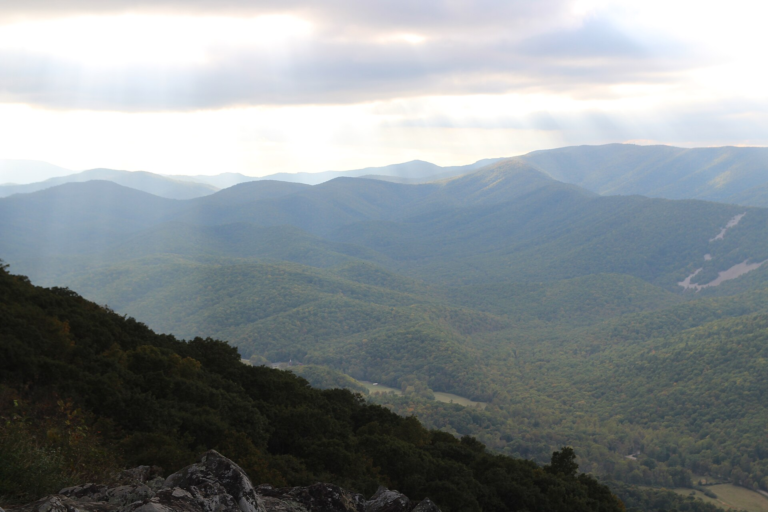
By late June the pace drops. Calendars thin out, replies slow down, half the people you work with are somewhere else. Most of us experience this as a slump: things do not move, energy sags, the to-do list stares back. But a slow season is only a slump if you expected it to be fast.
Match the work to the season
Some work needs the full machine running: launches, negotiations, anything that depends on other people being at their desks. Some work needs the opposite: thinking, planning, cleaning out, learning, writing the thing you have been meaning to write. Late June is for the second list.
Three uses of a slow month
Clean the decks. The project that has been half-finished since March. The inbox. The files. The commitments you are still technically carrying. Slow weeks are when these get closed.
Think ahead. What does the fall look like? What do you want to be ready for in September? Planning done in June arrives in autumn feeling like foresight.
Rest without apology. If the pace is slow anyway, take advantage of it. A genuinely restful summer does more for the second half of the year than a frantic one.
For teams
A quiet stretch is the best time for the conversations there is never time for: what is working, what is not, what we would change if we could. Nobody is too busy to talk in late June. Use it.
The reframe
You are not falling behind. The ground is shifting under the whole field at once. The people who come out of summer ahead are the ones who did the quiet work while everyone else waited for September.

New messages, real moments from the road, and the All Is Well Project. Follow along and say hello.

The lessons behind everything Chris teaches. Start with three chapters, free.
Turn the lessons into your comeback.
Talk it through free with the Team Dorrity coach, or work with Chris one-on-one in The Better Than Back Experience.