
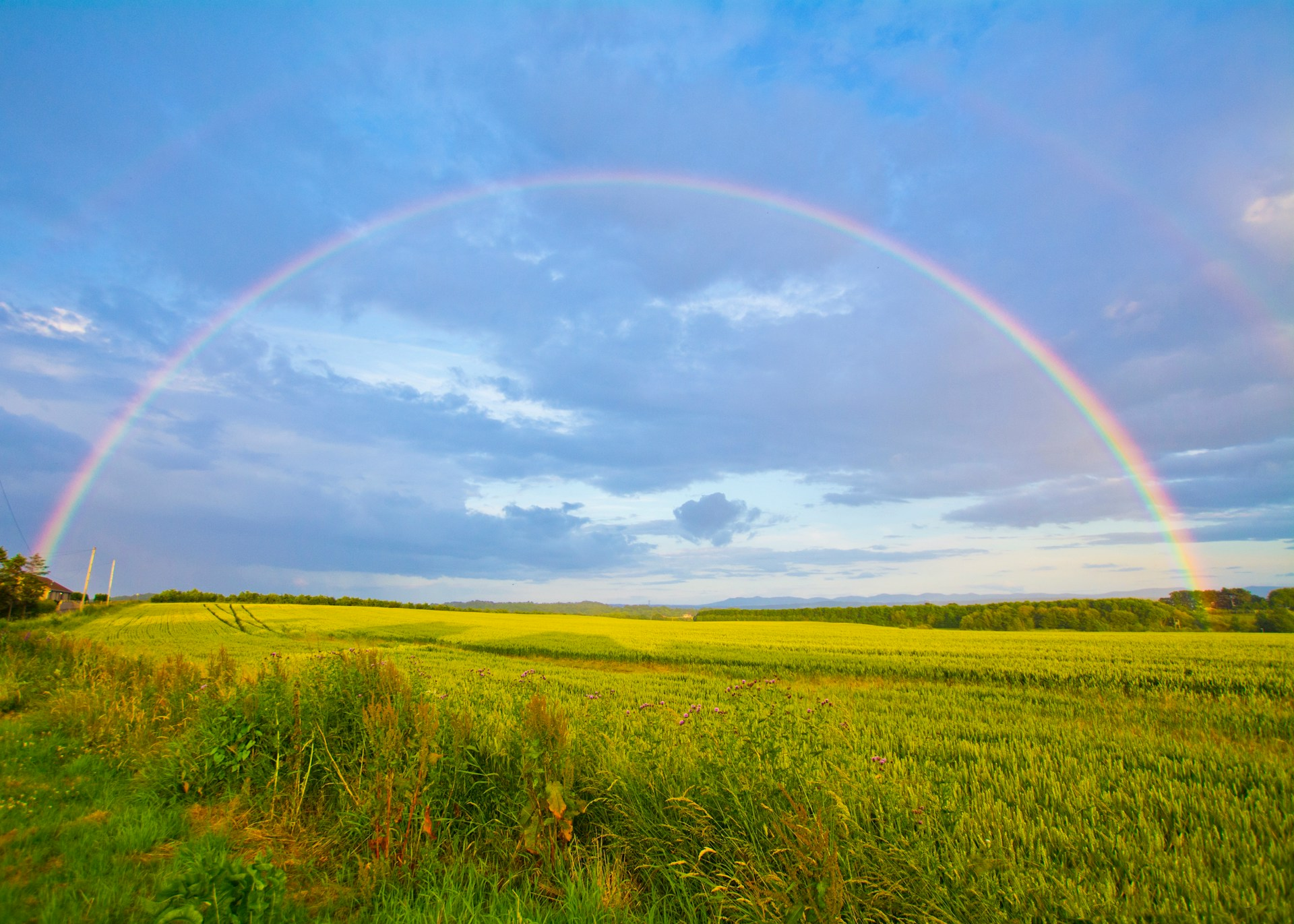
People who come through a long, hard season often imagine the moment it ends. The diagnosis improves. The new job starts. The debt is paid. The divorce is final. The crisis passes. They picture relief, rest and maybe celebration. Then the moment arrives, and what they feel is more complicated: restlessness, unease, exhaustion or a strange sense of being lost.
If this has happened to you, nothing is wrong with you. Adjusting to easier times is its own kind of transition.
Why calm can feel strange
During a crisis, life has a clear focus. Every day is organized around getting through. Your energy, attention and identity are wrapped up in the struggle. When that struggle ends, the focus disappears. The adrenaline that kept you going fades, and the tiredness you held off can finally catch up with you.
Many people also find that their minds stay on alert. After months of bad news, it can be hard to trust good news. You may catch yourself waiting for the other shoe to drop, scanning for problems or feeling guilty about relaxing.
Let the exhaustion come
One of the most common experiences after a hard season is a wave of fatigue. It can feel unfair to be so tired just when things are getting better. But it often reflects how much you were carrying. Give yourself time to rest more than usual, and lower your expectations for a few weeks. Recovery from a hard season isn’t instant just because the hard season is over.
Retrain your sense of safety
If your mind keeps bracing for disaster, gently remind yourself of the facts. The crisis is over. You are safe, or at least safer than you were. It may help to:
- Notice and name good things as they happen.
- Build steady, calming routines that signal ordinary life.
- Limit how much time you spend rehearsing what could go wrong.
- Talk about the shift with the people who walked with you through the hard part.
If anxiety, sleeplessness or low mood persist or begin to interfere with daily life, talk with a doctor or mental health professional. Lingering effects from a long period of stress are common, and help is available.
Rediscover who you are outside the struggle
When a hard season defined your days for a long time, part of your identity may have been built around surviving it. As life gets easier, you get to ask new questions. What do I enjoy now? What do I want to build? Who do I want to spend time with? What did this season teach me that I want to carry forward?
These questions don’t need immediate answers. Treat this time as an exploration. Try things. Reconnect with interests you set aside. Let yourself be curious about who you are becoming.
Let good days be good
The calm after a storm isn’t a trick or a pause before the next disaster. Sometimes it is simply calm, and you are allowed to enjoy it. Hard seasons will come again in some form, because that is life. But you have already proven you can get through them. That proof is not a reason to stay on guard. It is a reason to rest, breathe and let the good days be good.

New messages, real moments from the road, and the All Is Well Project. Follow along and say hello.

The lessons behind everything Chris teaches. Start with three chapters, free.
Turn the lessons into your comeback.
Talk it through free with the Team Dorrity coach, or work with Chris one-on-one in The Better Than Back Experience.













