
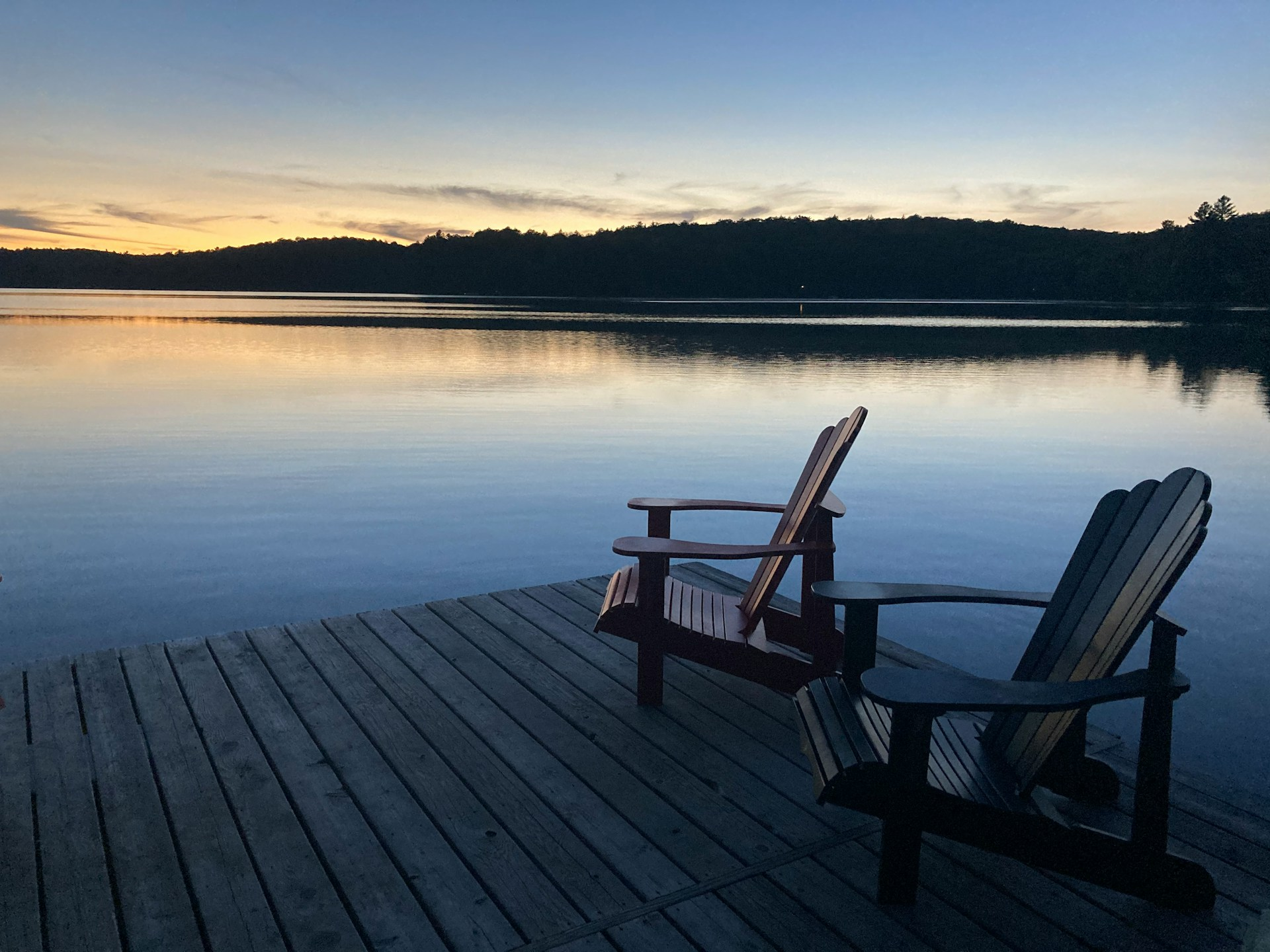
Many people come back from vacation needing another vacation. The trip was packed with activities, the travel was exhausting, work emails followed them to the beach and the return to normal life hit like a wall. The time off happened, but the rest didn’t.
A restorative vacation rarely happens by accident. It is planned with rest in mind.
Decide what you need
Before choosing a destination or an itinerary, ask what kind of rest you need right now. After a hard season, the answer might be quiet, sleep and very few decisions. If you have been stuck at a desk for months, it might be movement and fresh air. If you have been lonely, it might be time with people you love. Different needs call for different trips.
Be honest about this. The vacation you think you should take, or the one that would look best in photos, may not be the one that restores you.
Plan less than you think
Overscheduling is one of the most common ways vacations go wrong. Every museum, restaurant and activity can turn a trip into a demanding project. Try building in more empty time than feels natural:
- Plan no more than one major activity per day.
- Leave at least one day with nothing scheduled.
- Build in recovery time after long travel days.
- Accept that you won’t see everything, and that is fine.
Disconnect on purpose
Work has a way of slipping into vacations, especially with phones in our pockets. If you can, set yourself up to truly step away:
- Prepare a handoff before you leave so colleagues know who is covering what.
- Set a clear out-of-office message with an alternate contact.
- Decide your rules in advance. If you must check in, limit it to a set time, such as fifteen minutes every other day, rather than constant monitoring.
- Remove work apps from your phone or turn off their notifications while you are away.
Enjoy the anticipation
Researchers who study vacations have found that a good deal of the happiness connected with a trip comes from looking forward to it. Planning, imagining and talking about the trip can lift your mood for weeks beforehand. Book early when you can, and give yourself time to anticipate.
Land gently
The end of a vacation shapes how you remember it and how long the benefits last. Rather than flying home late Sunday night and walking into the office Monday morning, give yourself a buffer day if you can. Use it to unpack, restock the kitchen, sleep and ease back in. On your first day back, block some time to catch up before the meetings begin.
The glow from a vacation can fade quickly once regular life resumes. To stretch it, carry one habit home: a daily walk, an unhurried breakfast, an evening without screens. Rest is not something you get once a year. A good vacation can remind you how to practice it every week.

New messages, real moments from the road, and the All Is Well Project. Follow along and say hello.

The lessons behind everything Chris teaches. Start with three chapters, free.
Turn the lessons into your comeback.
Talk it through free with the Team Dorrity coach, or work with Chris one-on-one in The Better Than Back Experience.













